Our History

A Legacy of Service

buddy ball

The Name of Lake Lindsey

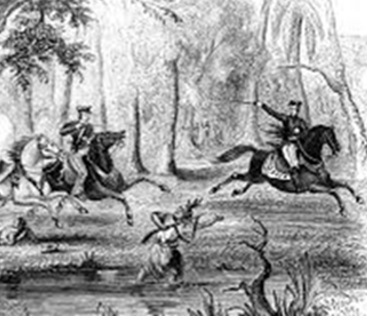
With the Second Seminole War ending, by February of 1842, settlers were moving south of the Withlacoochee River. Much of the Annutteliga Hammock (an Indian word meaning "Black Dirt") described as the "largest and most compact body of rich land to be found in Florida" would soon become Hemando County. The pioneers around the banks of a lake named for Major Lindsey [US Army, Second Seminole War] founded a small community. A log building erected near the lake, would serve the community as a church, a school, and a fort. Hemando County was formed in 1843 and the Territory of Florida was admitted to the Union as a state in 1845.
buddy ball

Circuit Riding Preachers

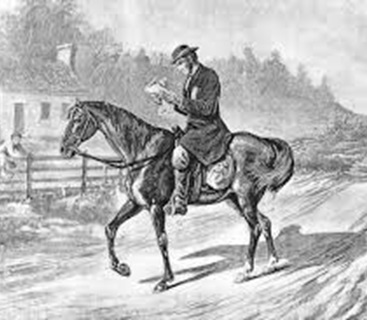
The first Minister of the Gospel in Hemando County was the Methodist Circuit rider, A. J. Deavours from the Georgia Conference. With the organization of the Florida Methodist Conference in 1845, R. A. Griffin was assigned to a large circuit that covered from Hernando in the south to Hamilton County in the north. In 1845, the Methodist Mission in Hernando County had 78 white and 10 black members. By 1846, both Methodist and Baptist churches were meeting near the northern bank of the lake. Their log meeting house was burned at the hands of hostile Indians in the mid-1850‘s. Methodist Minister Isaac Munden reported that as late as 1869 that he was still conducting services in private homes. In 1871, the Lake Lindsey congregation became part of the Brooksville and Clearwater Circuit. In 1874, a building on Mayo Hill became available for use by both the Methodist and Baptist congregations near the home of Addison G. McKeown.

buddy ball

The Roofless Church

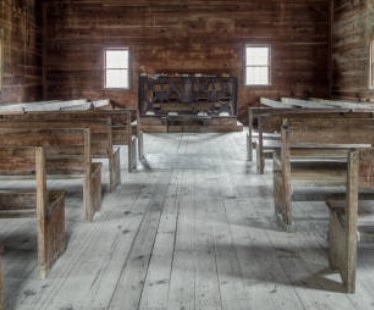
In 1884, the Baptist of Lake Lindsey had a building constructed of rough lumber, with no ceiling, glass windows, a door in each side (one for men, one for women) and a pulpit at the other end. The old benches were brought down from the old building on the hill. At the first service held in the building, only a part of the floor had been laid. The preacher addressed a congregation that sat about on loose planks laid across the sills. No musical instruments were used in the church and song books were scarce. Hymns were read, then "lined out" two lines at a time. Everyone who attended church regularly learned the words of the hymns. Both congregations used the same building until 1885 when the Methodist obtained a two acre tract of land, about two and a half miles from the present site.

buddy ball

The New Church

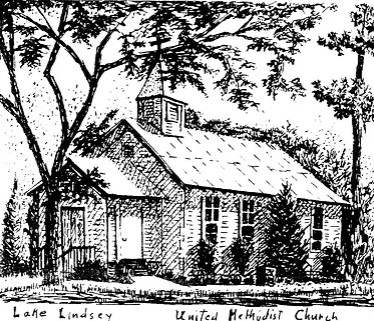
Several members living nearby made it possible to complete a building. The only light in the church was natural light from the windows and all activities ended before dark. Some of the newer members wanted to change the church name. The older members wanted to retain the name Lake Lindsey. Unable to agree, they simply called it the New Church [for the next 42 years]. The New Church remained the focal point of the Methodist influence in the community until 1928 when the building, in very bad condition, was ordered destroyed by district church authorities. The men of the church took the building down and moved it to its present location. The church was re-erected on donated land. The church was used without a "closed-in" ceiling for many years. <

buddy ball

Rain on a Tin Roof

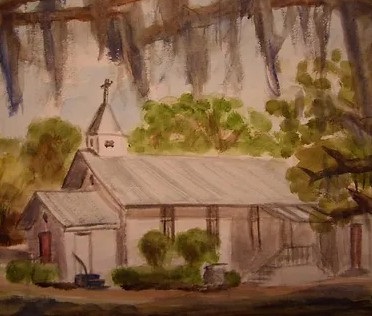
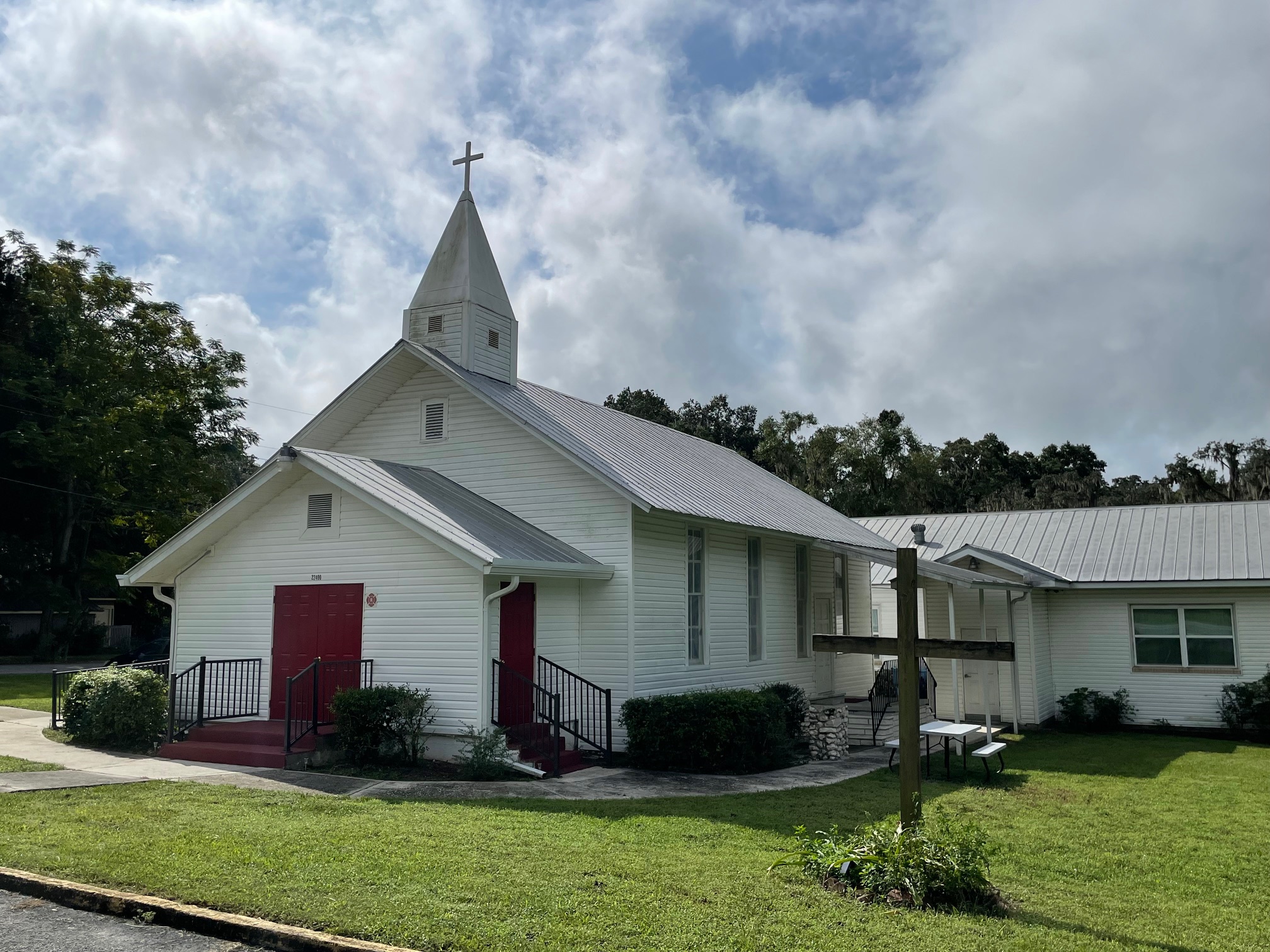
When it rained on Sunday morning, services were suspended because the rain on tin roof was too loud, In the 1940s, the ceiling was finished and the steeple was added. The original church building had three wood steps leading to a set of double doors opening directly into the church. The vestible addition was made in 1955. Several wooden classrooms, built in the 1940's, were used until the present social hall was completed in 1965 with the classroom addition in 1981.

buddy ball

Unique People

The Methodist churches of Lake Lindsey and New Hope, no longer a circuit, began to share the services of one minister in 1965. Reverand Scott Bozemen described the Lake Lindsey congration as follows: "They are a unique people...their old customs and traditions have not been swept away by the mad rush of the industrial age...we find and extremely honest and sincere group of people. They are worshipping a God that is more real to them than any congregation found in any city chruch." (Roger R. Landers)

buddy ball

Homecoming

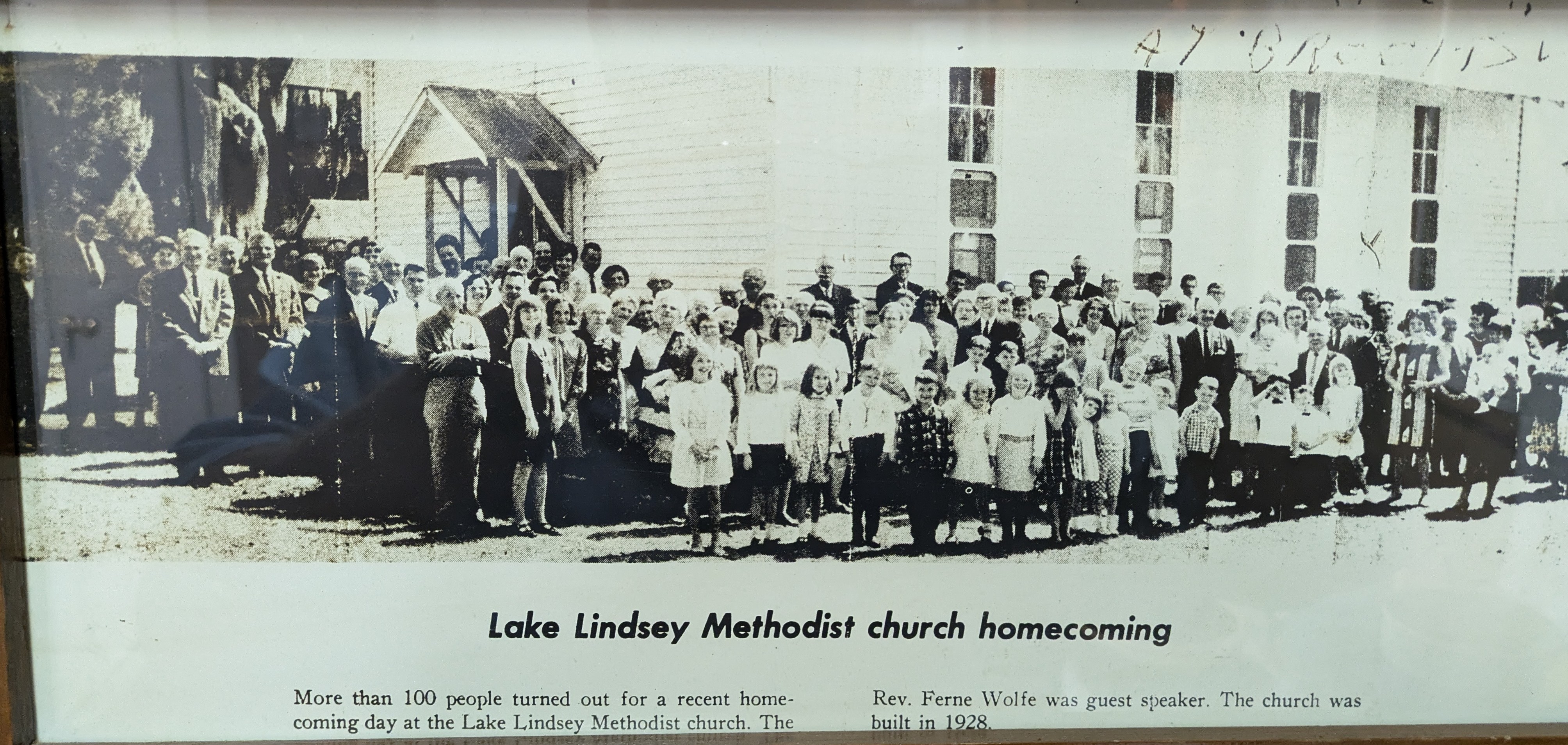
Each year, Homecoming is a cherished event that brings together members and visitors to celebrate faith, community, and shared memories. It features a worship service, special music, and a tremendous potluck meal. In this circa 1960 homecoming photo, the Narthex (western entrance) had not net been built.

buddy ball

Fire

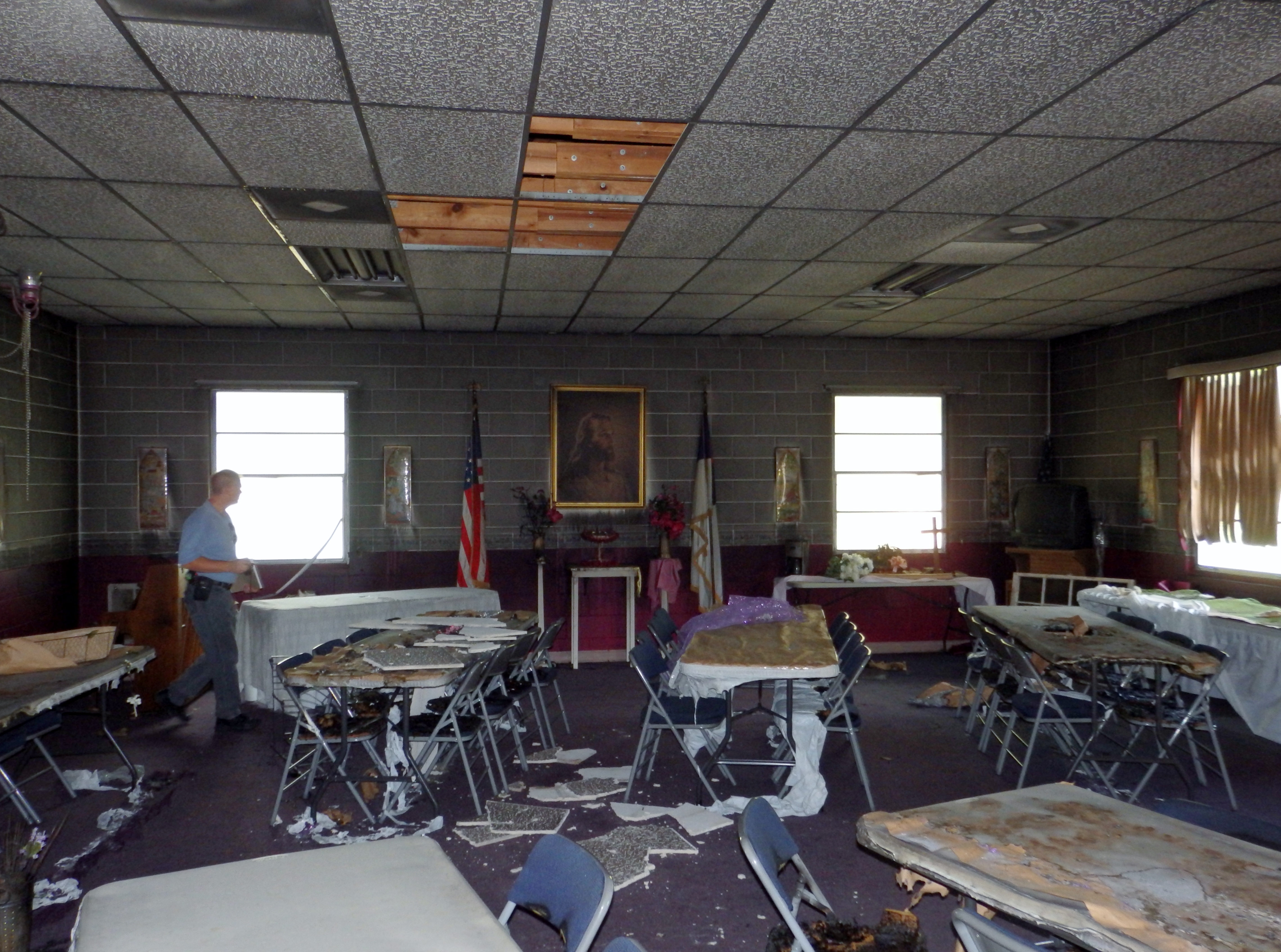
In 2015, several fires were set within the church and gathering hall. A wedding was scheduled for later in the afternoon and the church's gathering hall had been pre-set with table settings and wedding decorations. Investigators said specific areas had been set on fire, possibly indicating anger targeted at the bride's side of the wedding. A 24-year-old man, who was a trustee of the church, confessed to the arson. He pleaded no contest to two counts of arson and was sentenced to six years. The church was renovated thanks to the generous support of its members and community.

buddy ball

Hitching Post

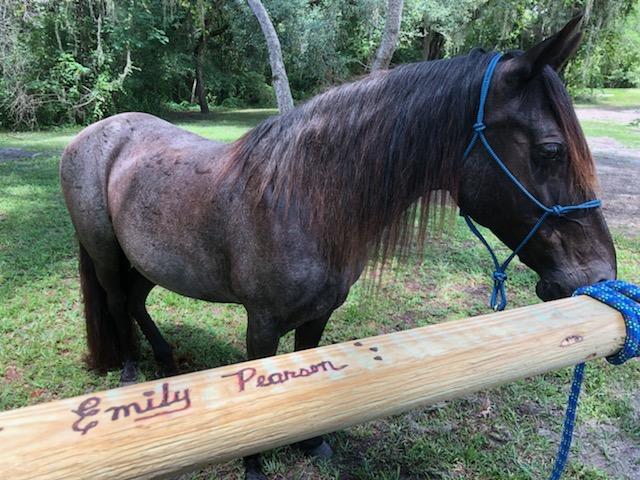
In 2019, a horse hitching post was built in memory of Emily Pearson, granddaughter of Ron and Bennie Pearson. Emily was killed at age 16 in a car accident.

Contact

Visit, Call, or Email Us

Call Us

(352) 777-4319

Join Us

Sunday at 11:00 a.m.